At KrownBIM we approach BIM coordination differently.
Over the years and across different project scenarios, we’ve been able to identify repeatable patterns and build a standard around them. And for everything that falls outside that standard – we standardize that too, for the project. That’s how we keep things efficient without cutting corners.
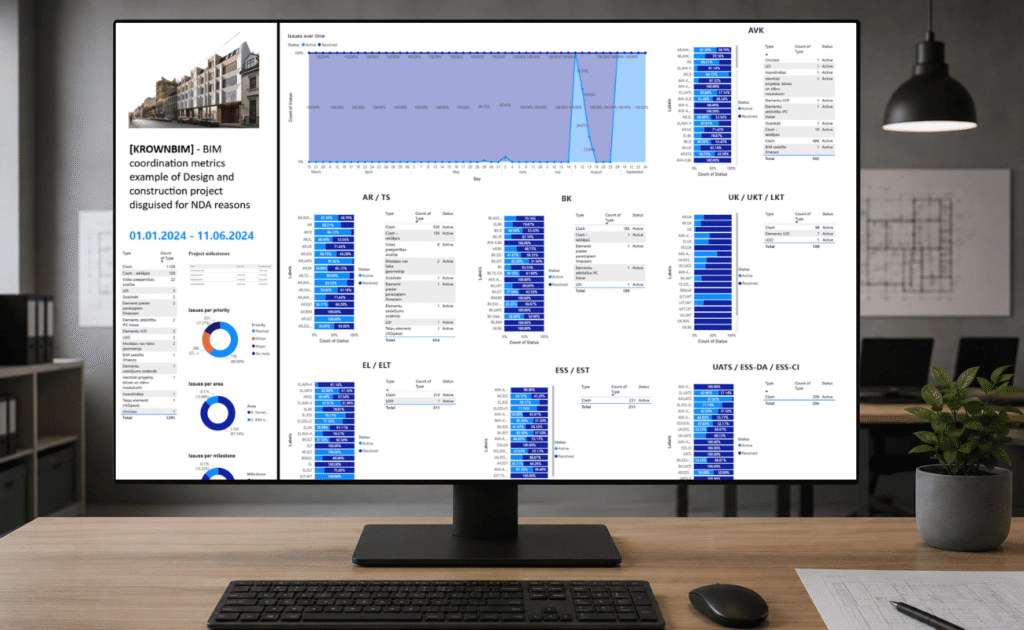
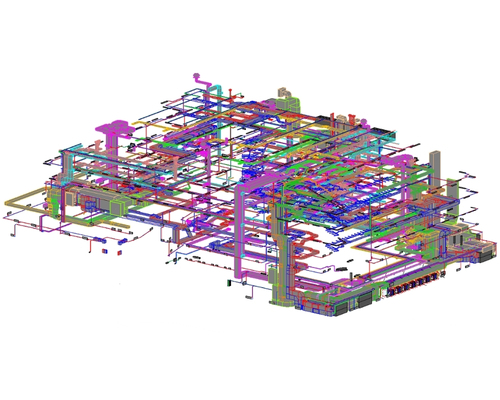
BIM project coordination is what we do best. We start by analyzing your project BIM requirements and assessing your project team and technical environment – to safeguard the outcome from day one. From there we design a custom workflow built around your specific needs, backed by our standardized coordination procedures. The result is a controlled and organized project environment where your project lead always has access to current metrics – so you can check the pulse whenever you need to.
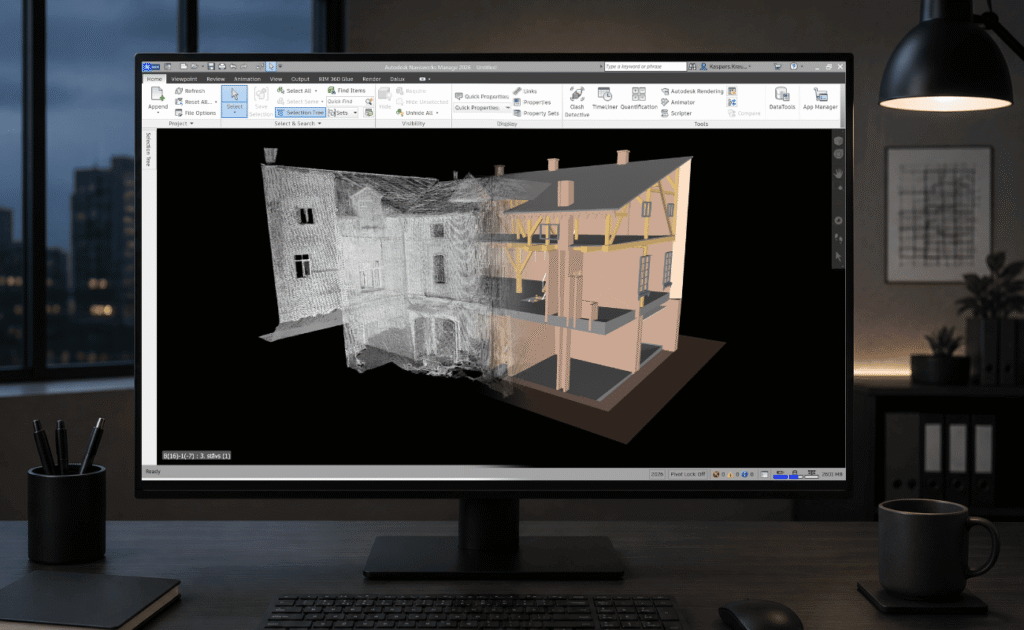
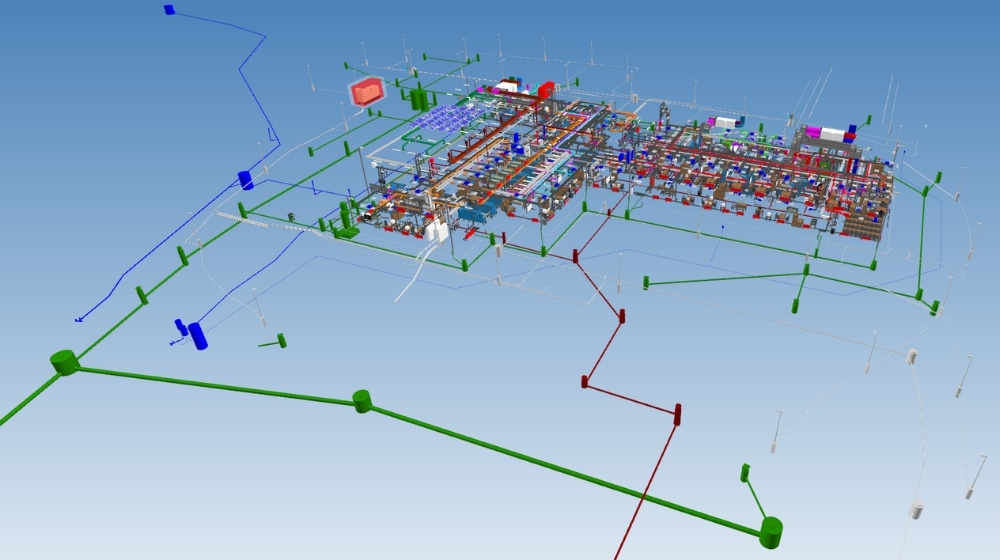
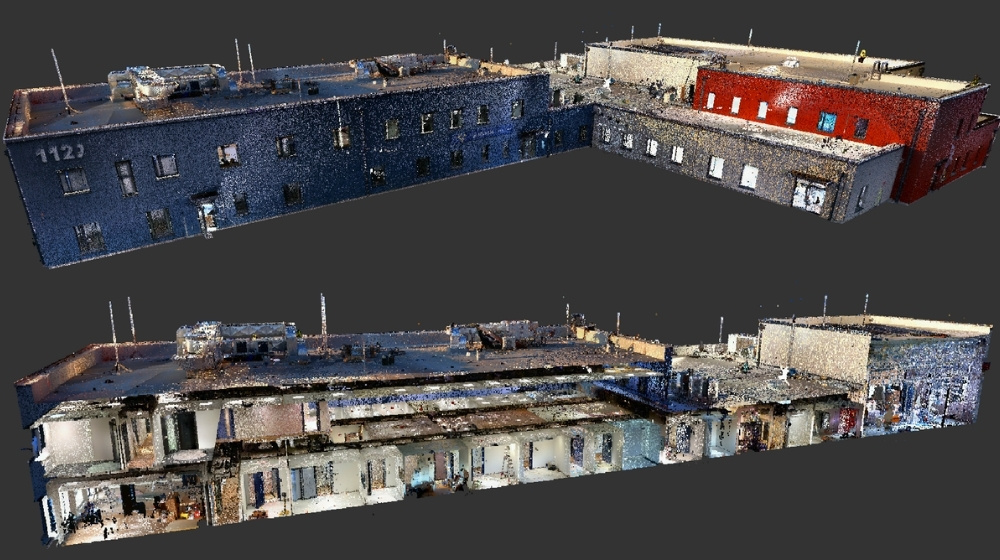
BIM doesn’t stop at design. We can create a digital twin of your existing facility – a live virtual model where your physical assets carry real information. Whether you manage a manufacturing plant or a portfolio of office facilities, this means higher precision control over what you own and operate: rental schedules, equipment maintenance intervals, quantity summaries of building components – all connected to the model and always up to date. And once you attach a price tag to those components, you have a financial matrix – a clear picture of where your money is going and where it could be optimised.
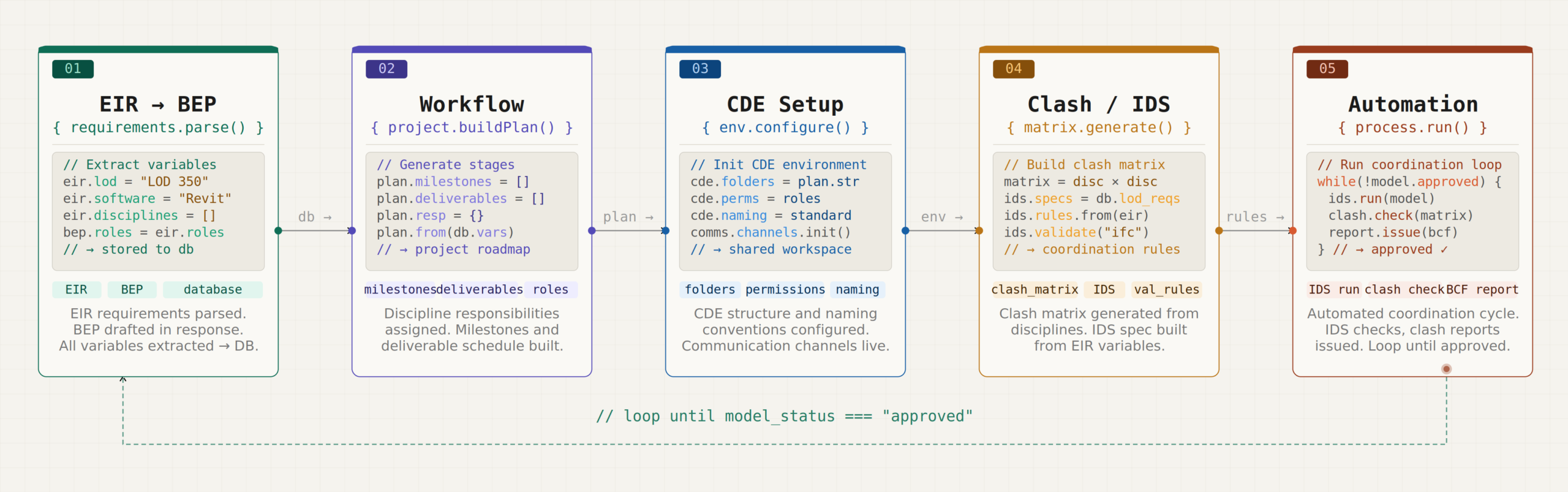
We built an internal coordination framework that connects project requirements directly to the coordination workflow – clash detection, IDS monitoring and project metrics run continuously until the project is ready to deliver.
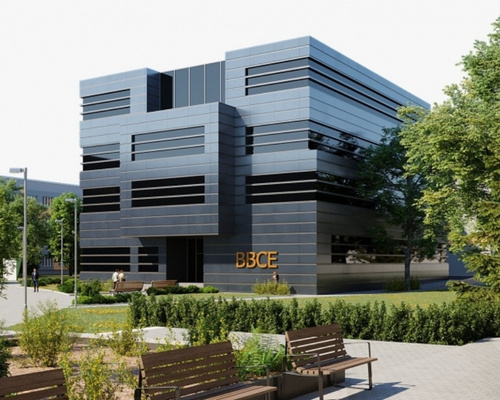
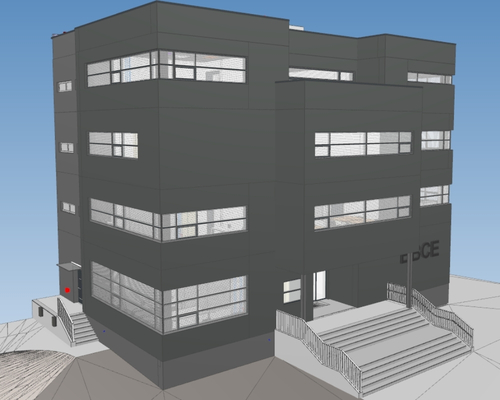
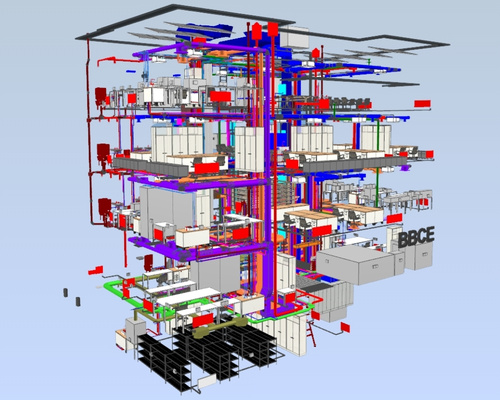
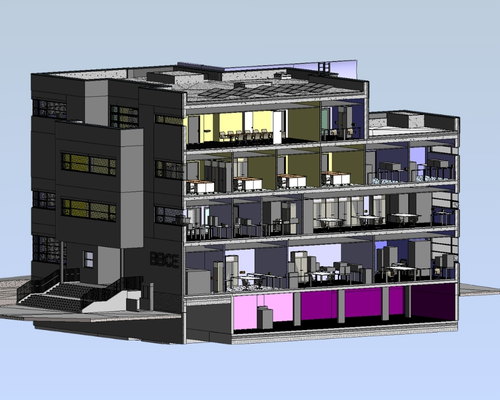
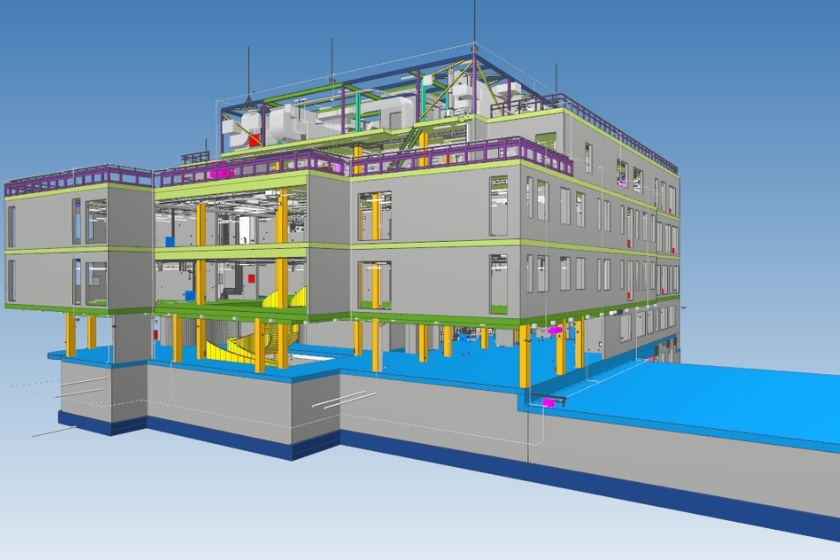
Offering state-of-the-art labs and infrastructure for advanced research the project’s main objective is to establish a joint centre for advanced biomaterials development.
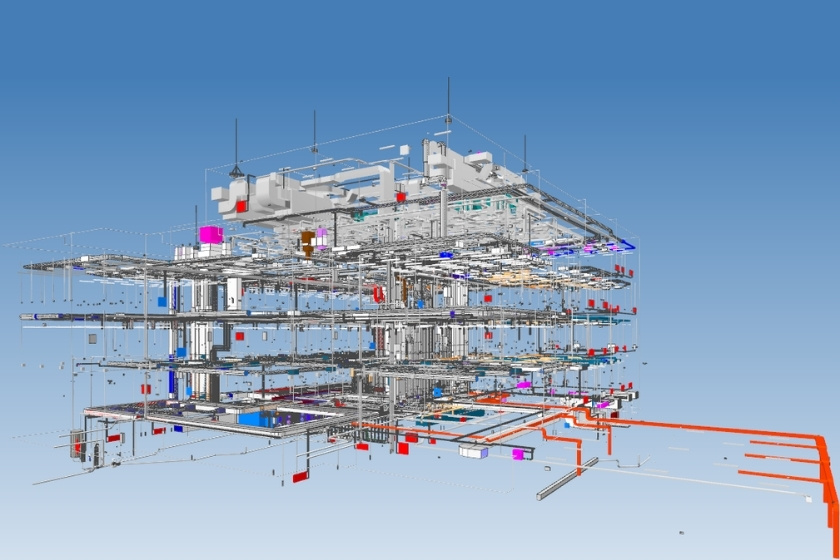
From the outset, a BEP was developed with modelling and information exchange strategy. During design, ARC, STR, MEP and INT BIM models were developed alongside project-specific Revit family components. Models served for 3D coordination, clash detection, documentation and visual solution compatibility screening.
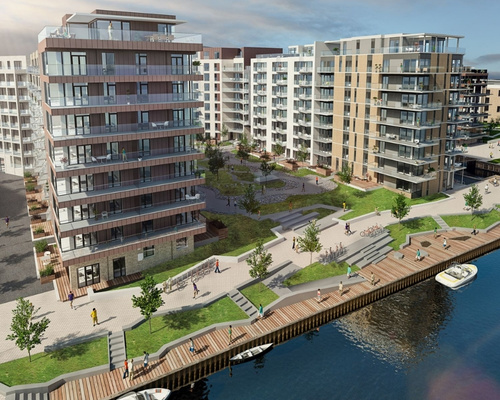
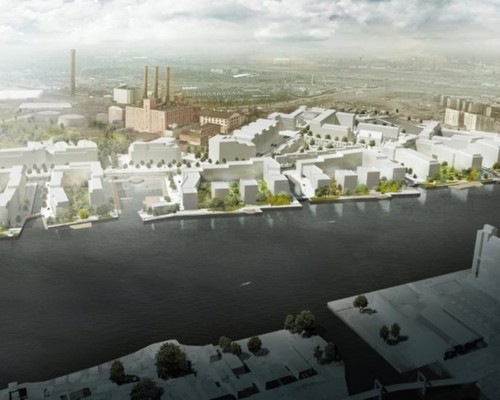
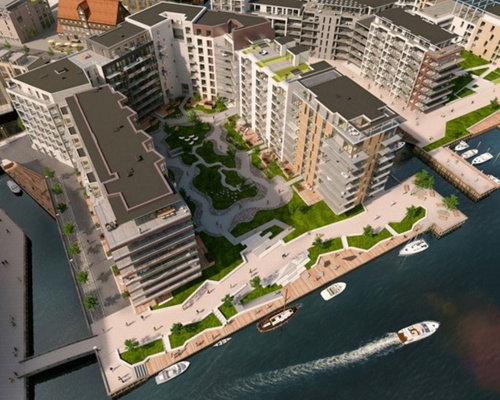
Residential district on artificial islands alongside Copenhagen waterfront.
Architectural Revit model development according to the ICT agreement – an early form of BEP. Individual constructive keypoints were also modelled for detailed design purposes. The architectural model was coordinated with other discipline models for clash detection and visual solution compatibility screening.
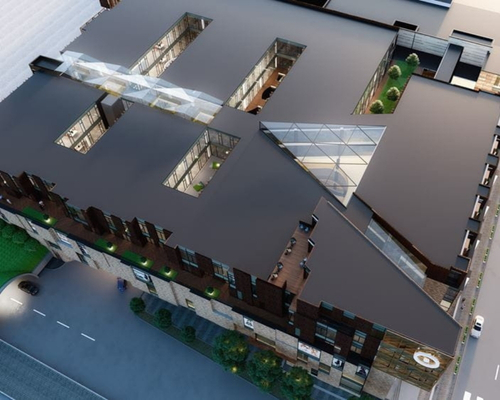
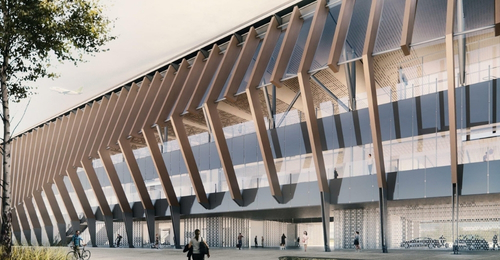
Shopping mall with connection to city’s central railway station.
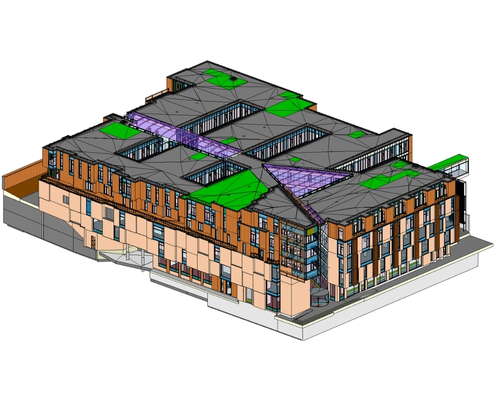
Project task was to recreate 3D models from 2D documentation and coordinate design before construction commenced.
For the project was issued a client’s information requirements and accordingly BEP was produced. Project constituted from ARC, STR and MEP models which went for clash detection and visual solution compatibility screening as well as project bills of materials were checked against early tender documents to catch any financial mistakes.
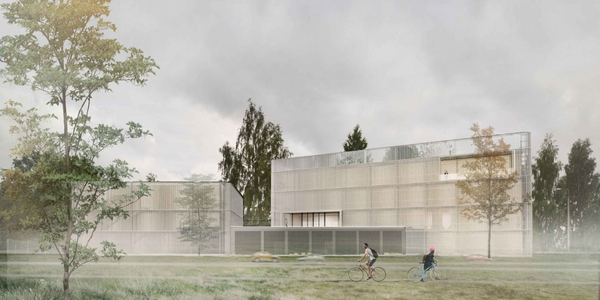
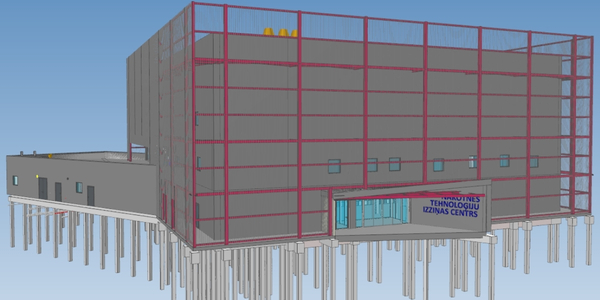
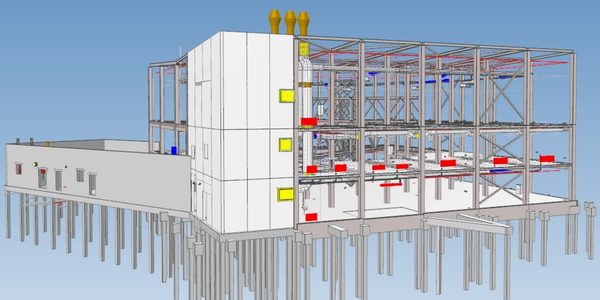
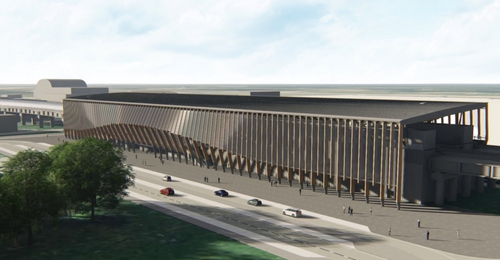
Construction of an energy-self-sufficient building in Cēsis for the needs of the Future Technology Science Center.
At the beginning of the design a BEP was developed with modelling and information exchange strategy. During the design ARC, STR, MEP and INT BIM models were developed including a signature ISS-inspired structure replica. Models served for 3D coordination, clash detection, documentation and visual solution compatibility screening.
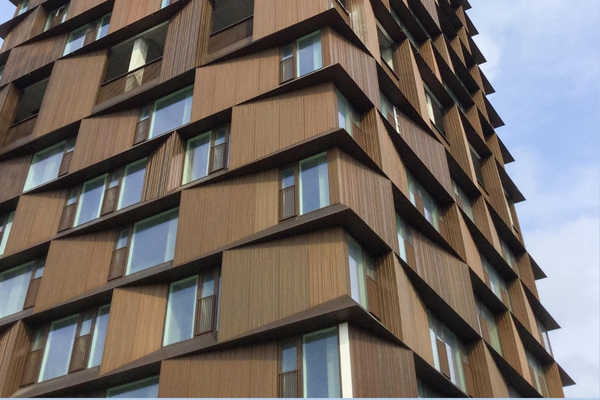
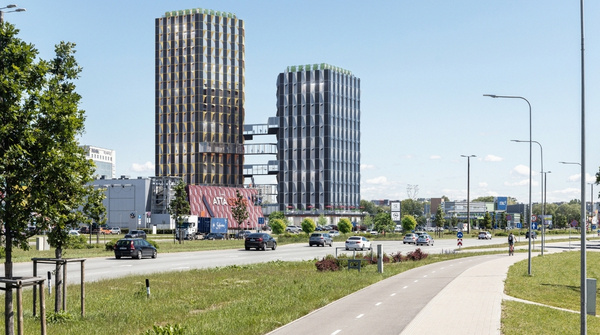
The high-rise studio building in Copenhagen with tower of 100 meters tall and 29 floors of student and academia housing.
Architectural Revit model development according to the ICT agreement — an early form of BEP. Individual constructive keypoints were also modelled for detailed design purposes. The architectural model was coordinated with other discipline models for clash detection and visual solution compatibility screening.
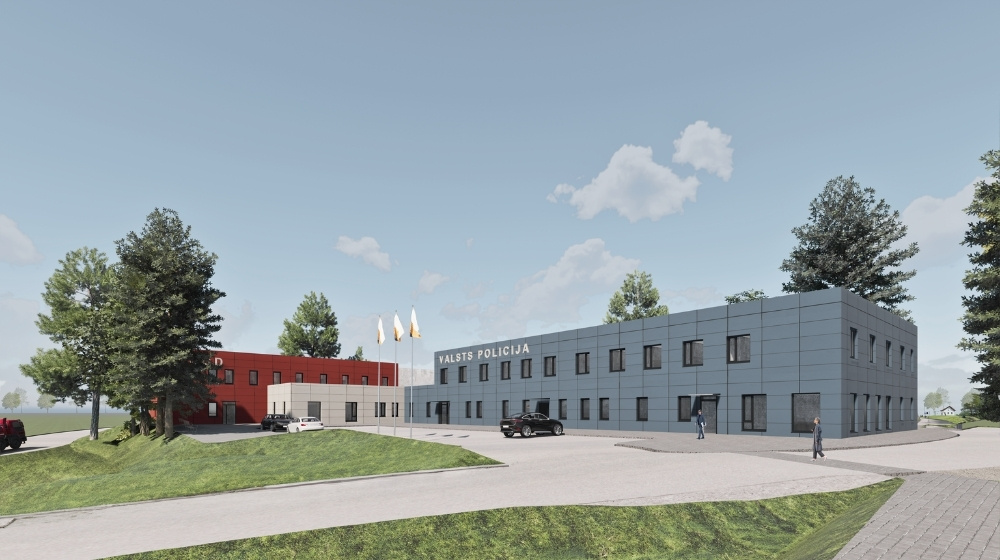
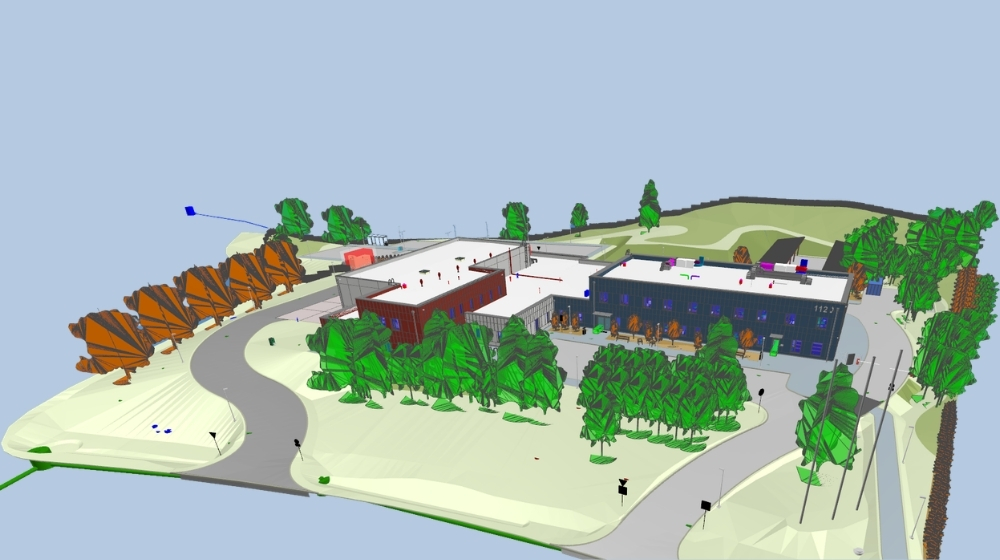
Integrated Emergency Services Centre houses paramedics, firefighters and law enforcement departments for first response.
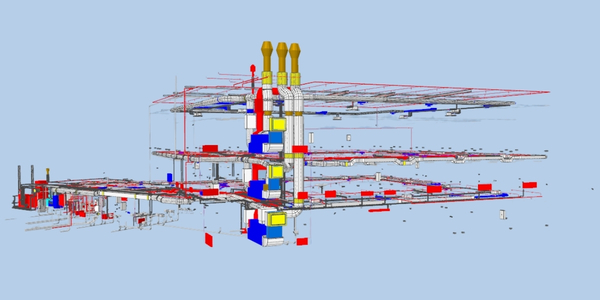
Project was procured with Employer’s Information Requirements in accordance with ISO19650 standard procedures with comprehensive BIM use. BEP was drafted in response to EIR with modelling and information exchange strategy. 26 different discipline BIM models were developed in total (ARC, STR, INT, MEP, Site, Roads, Equipment, etc.). Throughout the design delivery stage model coordination, clash detection and information delivery specifications were performed. Where standard workflows fell short, Revit Dynamo automation was deployed. In construction phase as-built models were developed and prepared information for asset management.
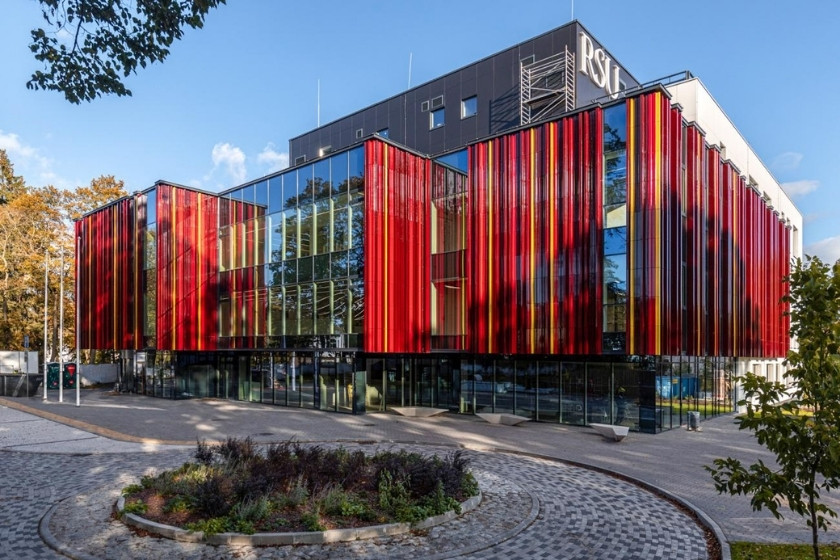
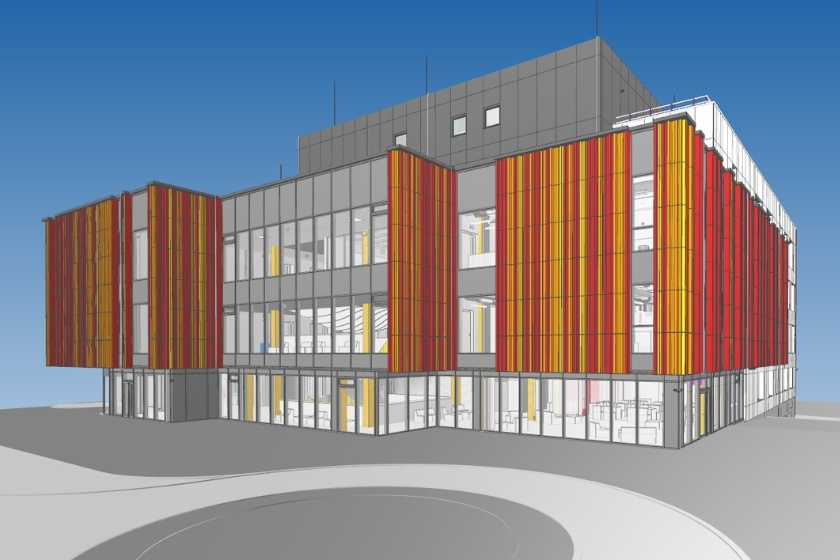
Riga Stradins University pharma studies and research centre Design & Build project.
On behalf of client consultancy a quality control was made against project requirements to qualify project deliverables. Quality control included clash detection and visual solution compatibility screening.
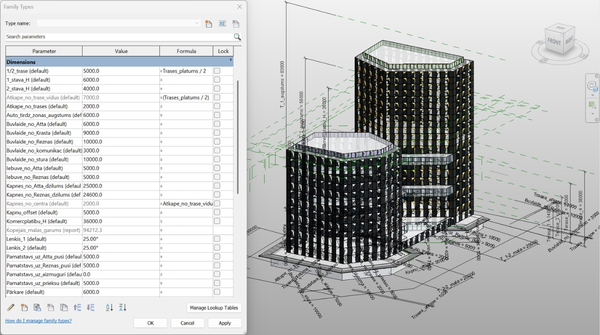
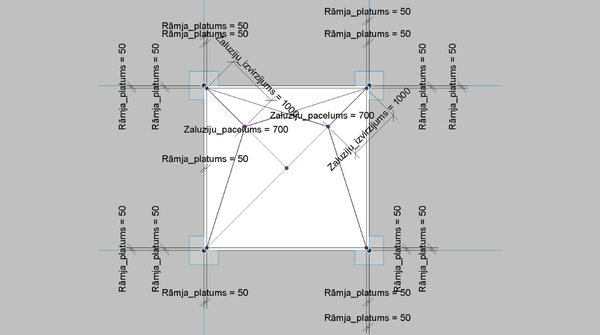
For an architectural competition necessity, a parametric Revit model was created for flexibility of design variations and feasibility studies of building metrics. Model structure consisted of individual windows with awning unit that was implemented into Revit pattern-based Mass family structure.
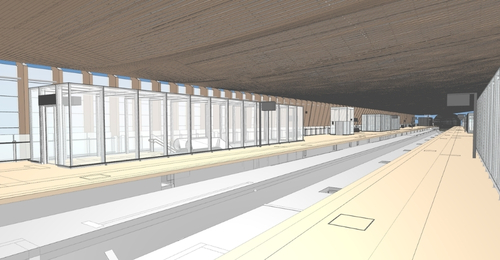

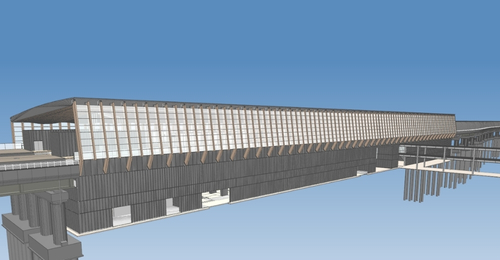
On behalf of client consultancy, a quality control of BIM deliverables was commenced for B.S.L Infra JV as part of extensive quality assurance for the Rail Baltica Riga International Airport Railway Station project. The scope required a scrutiny check of submitted BIM deliverables against project documentation and BIM requirements – qualifying submitted drawings, evaluating model-based content, clash testing stage 1.3 BIM models and verifying material take-off correctness in bills of materials.
BIM project experience, system building skills and architectural project management knowledge – joined by a common vision that BIM methodology has far more to offer in construction than most projects ever reach. Together we’re here to unlock that.
Founder & BIM Strategist
A decade of hands-on BIM implementation across design, construction, and academia – from ISO 19650 workflows to quality control on real projects. Kaspars built his understanding of how buildings actually work through experience across many related fields before devoting his career to making BIM work the way it should. Knowing how things are built in real life means he spots the real project issues before clash detection even gets the chance.
BIM Systems Lead
With computer science background and years of a full-stack development across multiple industries, and ongoing research of BIM data infrastructure and IFC tooling at TU Munich, Imants brings the rare combination of software engineering depth and built environment knowledge to the team – the person who understands both what the BIM data should do and how to make it actually work.
BIM Lead, Dubai
Architect and BIM specialist with years in residential, commercial and modular projects in Latvia and the UAE. Daniils brings the designer’s eye and the technician’s precision – combining architectural project delivery with hands-on BIM coordination, Python scripting and high-end visualisation using Unreal Engine. Based in Dubai and embedded in one of the world’s most active construction markets, he keeps KrownBIM connected to where international BIM standards meet real project pressure.
Book a consultation to discover how BIM can reduce project risks, improve coordination, and optimize construction workflows